Summary Outline –
Maintaining clean carpets is not just about keeping your home looking its best. It’s an essential part of creating a healthy environment for you and your family. Dirt, dust, allergens, and other debris accumulate in the fibers of your carpet over time, not only making them look dull but also potentially affecting the air quality in your home.
-
Why Clean Your Carpets?
Regular cleaning of your carpets can significantly reduce pollutants that can cause respiratory issues, skin irritations, and even exacerbate allergies. Beyond health benefits, clean carpets also extend the lifespan of your carpeting, preserving its texture and color, ensuring it looks great for years to come.
-
How Often to Clean Them
The frequency with which you should clean your carpets can vary, however, a good rule of thumb is to have them professionally cleaned at least once a year. Households with pets, children, or high traffic may require more frequent cleanings to keep carpets looking and smelling fresh.
-
Steps in Cleaning Your Carpets
Below is an infographic that outlines the step-by-step process involved in deep cleaning your carpets. From the initial vacuuming to the final drying stage, understanding these steps can help you better appreciate the value of professional carpet cleaning services—or even tackle the task yourself with more confidence.
By following these guidelines, you can ensure your carpets remain a clean, comfortable, and healthy part of your home.
- post content
- view: Infographic
- Info Segment 1: Pre-Cleaning Preparations for Your Carpet
- Info Segment 2: Common Carpet Cleaning Methods
- Info Segment 3: Choosing the Right Cleaning Method
- Info Segment 4: How to Clean the Carpet
- Info Segment 5: Carpet Cleaning and Maintenance Tips
- Info Segment 6: Why Get a Professional to Do Your Carpet Cleaning


-
Quick scroll to first topic about carpet cleaning tips …

first “carpet cleaning tips” idea

AI generated image by 123rf.com
Info Segment 1: Pre-Cleaning Preparations for Your Carpet
Notes:
-
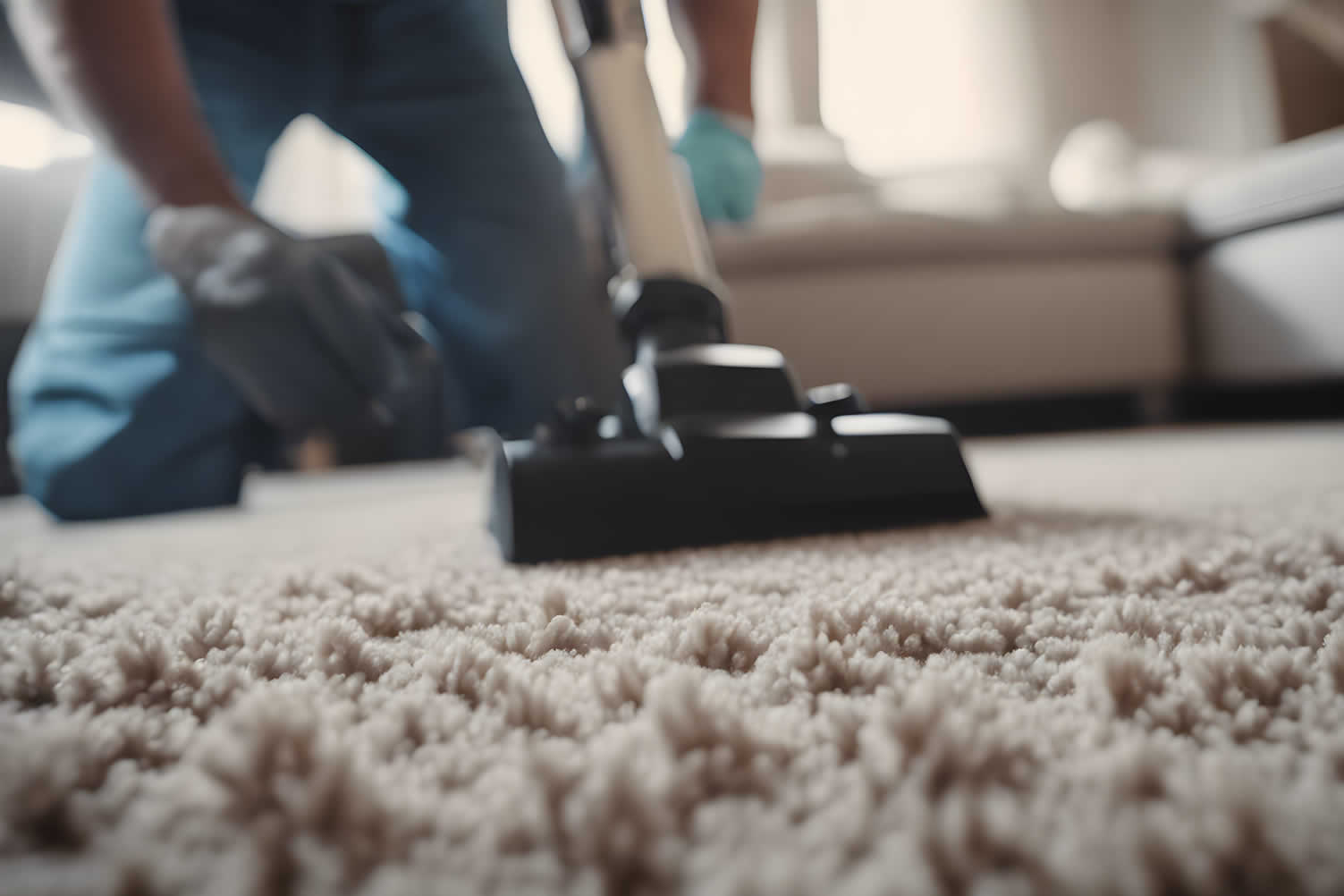
Before you jump into the deep cleaning process, it’s absolutely essential to carry out some initial pre-cleaning preparations. Doing so will not only guarantee a more efficient cleaning session but will also ensure that you achieve the best possible outcomes.
Taking these preparatory steps seriously can significantly streamline the cleaning process, making it less cumbersome and more productive.
Here are the detailed steps you should follow to set the stage for an effective deep cleaning:
-
Quick scroll to “pre-cleaning prep” side notes …

-
-
1st: Gather the Necessary Cleaning Supplies
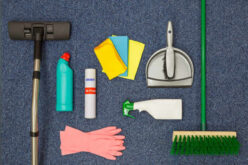
Before beginning the deep cleaning process, it’s crucial to gather all the necessary supplies. Having the right tools and cleaning solutions on hand not only ensures that you can tackle the task efficiently but also helps protect your carpet’s fabric and color from damage.
The appropriate supplies can make a significant difference in the cleaning effectiveness and the overall condition of your carpet post-cleaning. Here’s a list of essential supplies you should have before starting:
- Vacuum Cleaner:
To remove surface dirt and dust before the deep cleaning begins. - Carpet Shampoo or Cleaning Solution:
Choose a product suitable for your carpet type and ideally, one that’s eco-friendly. - Bucket:
For mixing cleaning solutions, if required. - Soft-Bristled Brush or Scrub Brush:
For gently working the cleaning solution into the carpet without damaging the fibers. - White Cloth or Towels:
To blot out stains and excess moisture, white is preferred to avoid color transfer. - Gloves:
To protect your hands from cleaning solutions. - Spray Bottle:
Useful for applying the cleaning solution evenly across the carpet. - Fans or Dehumidifier:
To help speed up the drying process after cleaning.
By preparing these supplies in advance, you can approach the carpet cleaning process more methodically, ensuring that every step is executed with the right equipment and materials for the best results.

- Vacuum Cleaner:
-
2nd: Remove Furniture/Other Objects from the Carpeted Area
To ensure every inch of the carpet is cleaned, it’s important to remove furniture and other objects from the area. This not only allows for unobstructed cleaning but also protects your furniture from any potential damage or moisture.
If some items are too heavy to move, consider placing plastic wraps under their legs to prevent them from getting wet.
-
Strategize Moving Heavy Furniture
When it comes to moving heavy furniture, strategy is key to prevent damage to both the carpet and the furniture itself. For larger items that cannot be removed from the room:
- Use Furniture Sliders:
Place sliders under the legs of heavy furniture to easily glide them across the carpet without causing damage. This also reduces the strain on your back and ensures a smoother move. - Lift, Don’t Drag:
If you need to reposition furniture without sliders, ensure to lift rather than drag. This prevents tearing or stretching of the carpet fibers. Seek help when lifting heavy items to distribute the weight evenly. - Designate a Safe Spot:
Identify an area within your home, such as a nearby room or garage, where furniture can be temporarily relocated. If space is limited, try to consolidate furniture in one part of the room being cleaned, ensuring you clean the now exposed areas first, then move the furniture back to clean the rest. - Protect Furniture Legs:
For furniture that must remain on the carpeted area being cleaned, use waterproof plastic sheets or wrap to cover the legs. This prevents moisture damage from the cleaning process.
- Use Furniture Sliders:
[ amazon: moving furniture gliders ]
[amazon: moving dolly ]
-
-
3rd: Vacuum the Carpet Thoroughly
Before initiating any deep cleaning process, a thorough vacuuming of the carpet is paramount. This step is crucial for removing surface dirt, dust, and debris, which can further soil the carpet during the wet cleaning process.
To ensure the most effective vacuuming:
- Choose the Right Vacuum:
Opt for a vacuum cleaner with strong suction power and a high-efficiency particulate air (HEPA) filter to capture even the smallest particles. This reduces the amount of dust and allergens in the air, ideal for those with allergies. - Vacuum in Multiple Directions:
Start by vacuuming the carpet in one direction to loosen the dirt. Afterwards, vacuum perpendicular to the first direction to ensure that all sides of the carpet fibers are reached. This method helps in dislodging dirt that’s deeply embedded in the carpet. - Take Your Time:
Slow and steady wins the race, especially with vacuuming. Move the vacuum slowly over the carpet, allowing it to pick up as much dirt as possible. Rushing through this process will leave behind more debris and reduce the effectiveness of the cleaning. - Use Attachments Wisely:
Utilize the different attachments that come with your vacuum cleaner. The crevice tool is perfect for getting into the edges and corners, while the brush attachment can help loosen surface dirt for a more thorough clean.
Achieving the best vacuuming results not only prepares the carpet for a deep clean but also helps in maintaining its appearance and extending its life. By following these steps, you can ensure your carpet is properly prepped for the subsequent stages of cleaning.
- Choose the Right Vacuum:
-
4th: Identify Any Stains or Spots That Need Special Attention
Before proceeding with a general carpet cleaning, it’s important to identify and treat any stains or spots that may require special attention. Different types of stains — such as those from wine, coffee, ink, or pet accidents — demand specific cleaning solutions and methods to ensure they are fully removed without damaging the carpet fibers.
- Inspect the Carpet:
Carefully inspect the entire carpet area for any visible stains or spots. It can be helpful to mark these areas with a piece of tape or a sticky note to ensure they are not overlooked during the cleaning process. - Identify the Stain Type:
Determine the type of stain you’re dealing with, as this will dictate the cleaning solution and method required. For instance, protein-based stains like blood or milk should be treated differently than tannin-based stains such as coffee or wine. - Use the Appropriate Cleaner:
Once you’ve identified the stain type, apply a cleaner specially formulated for that type of stain. Always test the cleaner on a small, inconspicuous area of the carpet first to ensure it won’t cause discoloration or damage. - Blot, Don’t Rub:
When applying the cleaner, gently blot the stain with a clean, white cloth. Rubbing can spread the stain and work it deeper into the carpet fibers, making it more difficult to remove. - Rinse with Cold Water:
After treating the stain, lightly rinse the area with cold water and blot dry. This helps to remove any residual cleaning solution, which, if left behind, can attract dirt and lead to re-soiling.
Addressing stains and spots with specific treatments before a full carpet clean ensures a more uniform and thorough cleaning outcome. By giving special attention to these areas, you can significantly improve the appearance and lifespan of your carpet.

copyright image by 123rf.com
[ amazon: carpet stain remover ]
[amazon: carpet deodorizer ]
- Inspect the Carpet:
-
-
ideas to view and compare from the information discussed above
Scroll up to directory … or scroll to next section about carpet cleaning tips …


second “photo remodeling” idea
AI generated image by 123rf.com
Info Segment 2: Common Carpet Cleaning Methods
Notes:
-
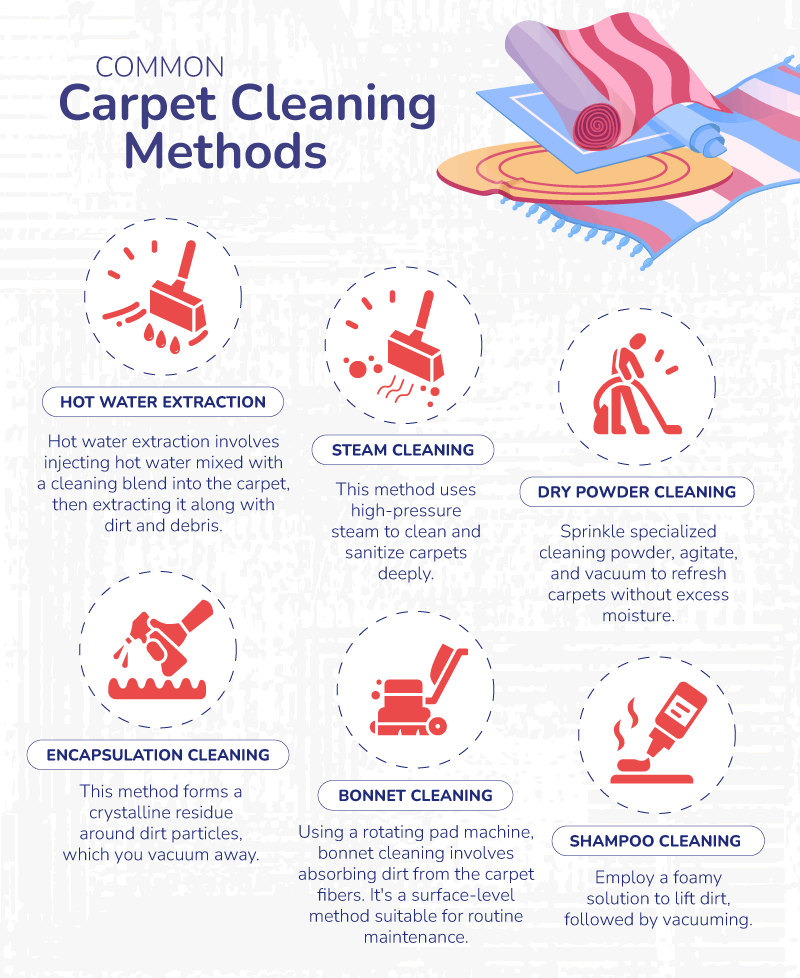
When it comes to maintaining the cleanliness and extending the lifespan of your carpets, choosing the right cleaning method is paramount. Each method offers unique benefits and drawbacks, depending on the type of carpet you have and the nature of the stains.
Below, we explore some of the most common carpet cleaning methods, their pros and cons, to help you make an informed decision.
-
Quick scroll to “pros and cons cleaning methods” side notes …
-
-
1st: Hot Water Extraction Cleaning
Hot water extraction, which is frequently and mistakenly referred to as steam cleaning, is a detailed cleaning process that involves injecting a mixture of hot water and specialized cleaning agents into the carpet at a high pressure.
This method allows the mixture to penetrate deeply into the carpet fibers, effectively loosening the dirt, debris, and stains that are embedded within.
Following this, the machine used for this process extracts the now-dissolved dirt along with any excess water and cleaning solution, leaving the carpet thoroughly cleaned. This technique not only removes surface dirt but also ensures a deep clean that revitalizes the carpet’s appearance and extends its life.
-
Pros:
- Effective at removing deep-seated dirt and bacteria.
- Leaves minimal residue compared to shampooing.
- Recommended by many carpet manufacturers.
-
Cons:
- Longer drying times than some other methods.
- The equipment can be expensive, making DIY difficult.
[ view diagram: hot water extraction ]
[ youtube: hot water extraction ]
-
-
2nd: Steam Cleaning
Steam cleaning, a highly effective method for carpet maintenance, employs vaporized water to deeply cleanse carpets. This innovative cleaning technique involves heating water to a high temperature until it turns into steam.
When applied to carpets, the steam penetrates the fibers, opening them up and allowing for the removal of not only dirt and stains but also harmful bacteria and allergens.
This process not only results in a cleaner-looking carpet but also contributes to a healthier living environment by minimizing the presence of irritants.
-
Pros:
- Eliminates 99.9% of bacteria and germs due to the high temperature.
- No use of chemicals, making it eco-friendly.
-
Cons:
- Not as effective at removing deeply embedded dirt and stains.
- Can leave moisture in carpets if not done properly.
[ view diagram: steam cleaning carpet ]
[ youtube: steam cleaning vs shampooing ]
-
-
3rd: Dry Powder Cleaning
This cleaning method utilizes a unique approach by spreading a biodegradable cleaning compound across the surface of the carpet. Once the compound is evenly distributed, it is meticulously brushed into the carpet’s fibers using specialized equipment designed for deep penetration.
The innovative aspect of this compound is its ability to attract dirt and grime like a magnet. As it binds to the dirt particles, it forms small clumps that can be easily removed. Following a sufficient settling period, which allows the compound to fully absorb the dirt, the carpet is thoroughly vacuumed.
This process not only removes the cleaning compound but also extracts the encapsulated dirt particles, leaving the carpet clean and refreshed.
-
Pros:
- No drying time required, carpets can be used immediately after cleaning.
- Ideal for maintenance cleaning and for areas that cannot be out of service.
-
Cons:
- Not as thorough as wet cleaning methods.
- Powder may remain in the carpet after cleaning.
[ view diagram: dry powder cleaning ]
[ youtube: dry carpet cleaning demonstration ]
-
-
4th: Encapsulation Cleaning
Encapsulation technology is an innovative cleaning method that employs a synthetic foam detergent specifically designed to transform into a powder form upon drying. This transformative process allows the detergent to effectively encapsulate dirt and particles within its structure.
As the encapsulated dirt turns into a powder, it becomes much easier to remove from surfaces, simply requiring vacuuming to completely eradicate the dirt from the area, ensuring a thorough and efficient cleaning process.
-
Pros:
- Short drying time; good for commercial buildings.
- Less water means less risk of mold or mildew development.
-
Cons:
- Not effective for heavily soiled carpets with deep stains.
- The chemicals used can attract more dirt if not thoroughly vacuumed.
[ view diagram: encapsulation carpet cleaning ]
[ youtube: what is encapsulated carpet cleaning ]
-
-
5th: Bonnet Cleaning
This cleaning method employs a sophisticated motorized machine, which features a rapidly spinning pad that has been thoroughly soaked in a specialized cleaning solution.
The design is such that as the pad spins, it effectively absorbs dirt, debris, and stains from the carpet’s surface, ensuring a deep clean that revitalizes the carpet’s appearance and hygiene.
-
Pros:
- Quick drying times make it suitable for commercial spaces.
- Efficient for light maintenance and surface cleaning.
-
Cons:
- Can cause carpet pile damage over time.
- Doesn’t clean deeply; dirt and detergent residue may accumulate at the base.
[ view diagram: bonnet carpet cleaning ]
[ youtube: clean carpet with bonnet pads ]
-
-
6th: Shampoo Cleaning
Carpet shampooing involves the application of a foamy chemical detergent, followed by the use of a motorized circular brush.
This process deeply cleans carpets by agitating the fibers, effectively removing dirt, stains, and odors.
-
Pros:
- Good for heavily soiled carpets.
- Allows for deep cleaning with agitation.
-
Cons:
- Leaves behind wet foam, which has long drying times.
- Residue can attract more dirt post-cleaning.

copyright image by 123rf.com
[ view diagram: shampoo carpet cleaning ]
[ youtube: how to shampoo your carpet ]
-
-
-
ideas to view and compare from the information discussed above
Scroll up to directory … or scroll to next section about carpet cleaning tips …
 … grab this directory of ideas



May We Suggest Other Photo Remodeling Ideas About
“House Cleaning Subject …” (new win)

third “photo remodeling” idea
AI generated image by 123rf.com
Info Segment 3: Choosing the Right Cleaning Method
Notes:
-
Choosing the right carpet cleaning method is crucial for extending the life of your carpet, maintaining its appearance, and ensuring a healthy environment in your home or office.
The best approach depends on several key factors including the carpet material, level of soiling, desired drying times, and, of course, cost and convenience. By evaluating these elements, you can make an informed decision that meets your specific needs.
-
Quick scroll to “choosing cleaning method” side notes …

-
-
1st: Consider the Carpet Material
Choosing the right carpet cleaning method is crucial for extending the life of your carpet, maintaining its appearance, and ensuring a healthy environment in your home or office.
The best approach depends on several key factors including the carpet material, level of soiling, desired drying times, and, of course, cost and convenience. By evaluating these elements, you can make an informed decision that meets your specific needs.
-
Synthetic Fibers
Types of Carpet Material: Nylon, Polyester, Polypropylene
- Preferred Cleaning Methods:
Hot water extraction is often considered the best method for synthetic fibers, thanks to its deep cleaning capabilities without damaging the material.Encapsulation and dry powder cleaning are also effective for lighter cleanings and maintenance, especially for polypropylene carpets, which have a high resistance to water-based stains.
- Preferred Cleaning Methods:
-
Natural Fibers
Types of Carpet Material: Wool, Silk, Cotton
- Preferred Cleaning Methods:
For delicate materials like wool and silk, dry cleaning methods are typically recommended to avoid shrinkage and damage from excessive water.However, some natural fibers can handle specific types of wet cleaning if done professionally. Wool, for example, can benefit from low-moisture cleaning methods that minimize the risk of water damage.
- Preferred Cleaning Methods:
Understanding the interaction between carpet material and cleaning techniques is crucial. Synthetic fibers tend to be more forgiving and resilient to various cleaning methods, whereas natural fibers require a gentler approach.
This knowledge empowers homeowners and professionals to select the most appropriate method, ensuring the carpet’s aesthetic and structural integrity are maintained.
-
-
2nd: Evaluate the Level of Soiling or Stain
Evaluating the level of soiling and stain is a critical step before selecting the appropriate carpet cleaning method. The extent of dirt, type of stains, and the overall condition of the carpet significantly influence the choice of cleaning technique.
Not all methods are suitable for every situation; thus, understanding the level of soiling can help in making an informed decision that ensures effective cleaning while preserving the carpet’s integrity.
-
Light Soiling
- Cleaning Methods:
Regular vacuuming and spot cleaning are usually sufficient for carpets with light soiling. These methods are non-intrusive and help maintain the carpet’s appearance without the need for heavy cleaning agents or equipment.
- Cleaning Methods:
-
Moderate Soiling
- Cleaning Methods:
For carpets with moderate soiling, encapsulation cleaning or dry powder cleaning methods are effective. These methods provide a deeper clean than vacuuming, addressing the dirt that has started to accumulate below the surface.
- Cleaning Methods:
-
Heavy Soiling and Stains
- Cleaning Methods:
Carpets that are heavily soiled or have tough stains require more intensive cleaning techniques. Hot water extraction, commonly known as steam cleaning, is often recommended for deep cleaning.This method can effectively remove ingrained dirt, bacteria, and stains, rejuvenating the carpet’s appearance and hygiene.
- Cleaning Methods:
Identifying the level of soiling and the type of stains not only helps in choosing the most suitable cleaning method but also prevents potential damage to the carpet fibers caused by inappropriate cleaning techniques.
-
-
3rd: Access the Drying Time
Accessing the Drying Time is an essential factor to consider when selecting the appropriate carpet cleaning method. Drying time can significantly impact not only your daily routine but also the condition of your carpet post-cleaning.
Prolonged moisture after cleaning can lead to issues such as mold growth, unpleasant odors, and deterioration of carpet fibers.
Therefore, understanding the drying times associated with different cleaning methods is crucial for making an informed decision that aligns with your needs and ensures the longevity of your carpet.
-
Immediate to Short Drying Time
- Methods:
Dry powder cleaning and encapsulation methods are known for their minimal drying times. These methods do not saturate the carpet with water, allowing for immediate use or a short wait time of a few hours before the carpet is fully dry.
- Methods:
-
Moderate Drying Time
- Methods:
Bonnet cleaning and some low moisture methods offer a compromise between drying time and the depth of cleaning. These methods may require half a day to a day for the carpet to dry completely, making them suitable for quick cleaning needs where a balance between efficacy and convenience is desired.
- Methods:
-
Extended Drying Time
- Methods:
Hot water extraction or steam cleaning, despite being highly effective for deep cleaning heavily soiled carpets, typically involves a longer drying time. It may take anywhere from 12 to 24 hours or sometimes even longer for the carpet to dry thoroughly.Planning for such downtime is essential, especially in high-traffic areas or environments where maintaining a dry, mold-free carpet is critical.
- Methods:
-
-
4th: Determine The Cost and Convenience
The budget allocated for carpet maintenance and the ease of accessing professional services or rental equipment play crucial roles. Below, we break down the cost implications and convenience factors of common carpet cleaning methods.
-
Costs Involved
- Dry Powder Cleaning and Encapsulation:
These methods tend to be on the lower end of the cost spectrum due to less water usage and no need for large, expensive machinery. Estimated costs can range from $0.15 to $0.50 per square foot. - Bonnet Cleaning:
This method is moderately priced, balancing affordability and effectiveness, with costs generally falling between $0.20 and $0.60 per square foot. - Hot Water Extraction or Steam Cleaning:
Being the most thorough, it also comes with the highest cost, usually ranging from $0.30 to $0.75 per square foot. The price can increase with the addition of certain treatments or if the carpet is heavily soiled.
- Dry Powder Cleaning and Encapsulation:
-
Convenience Tips
- Scheduling and Planning:
For methods with longer drying times, consider scheduling the cleaning at a time when the space can be vacated for the required duration, such as weekends or holiday periods for business locations. - Professional vs. DIY:
Assess whether the cost-savings of a DIY approach outweigh the convenience of hiring professionals. Rental equipment for DIY methods may reduce expenses but can require more time and effort. - Regular Maintenance:
Regardless of the chosen method, regular vacuuming and spot cleaning can extend the time between professional cleanings, making any method more cost-effective and convenient in the long run.
- Scheduling and Planning:
By weighing the costs against the convenience of each carpet cleaning method, homeowners and business operators can make informed decisions that best suit their needs and ensure the longevity of their carpets.

copyright image by 123rf.com
-
-
-
ideas to view and compare from the information discussed above
Scroll up to directory … or scroll to next section about carpet cleaning tips …
remodeling decisions




fourth “photo remodeling” idea
AI generated image by 123rf.com
Info Segment 4: How to Clean the Carpet
Notes:
-
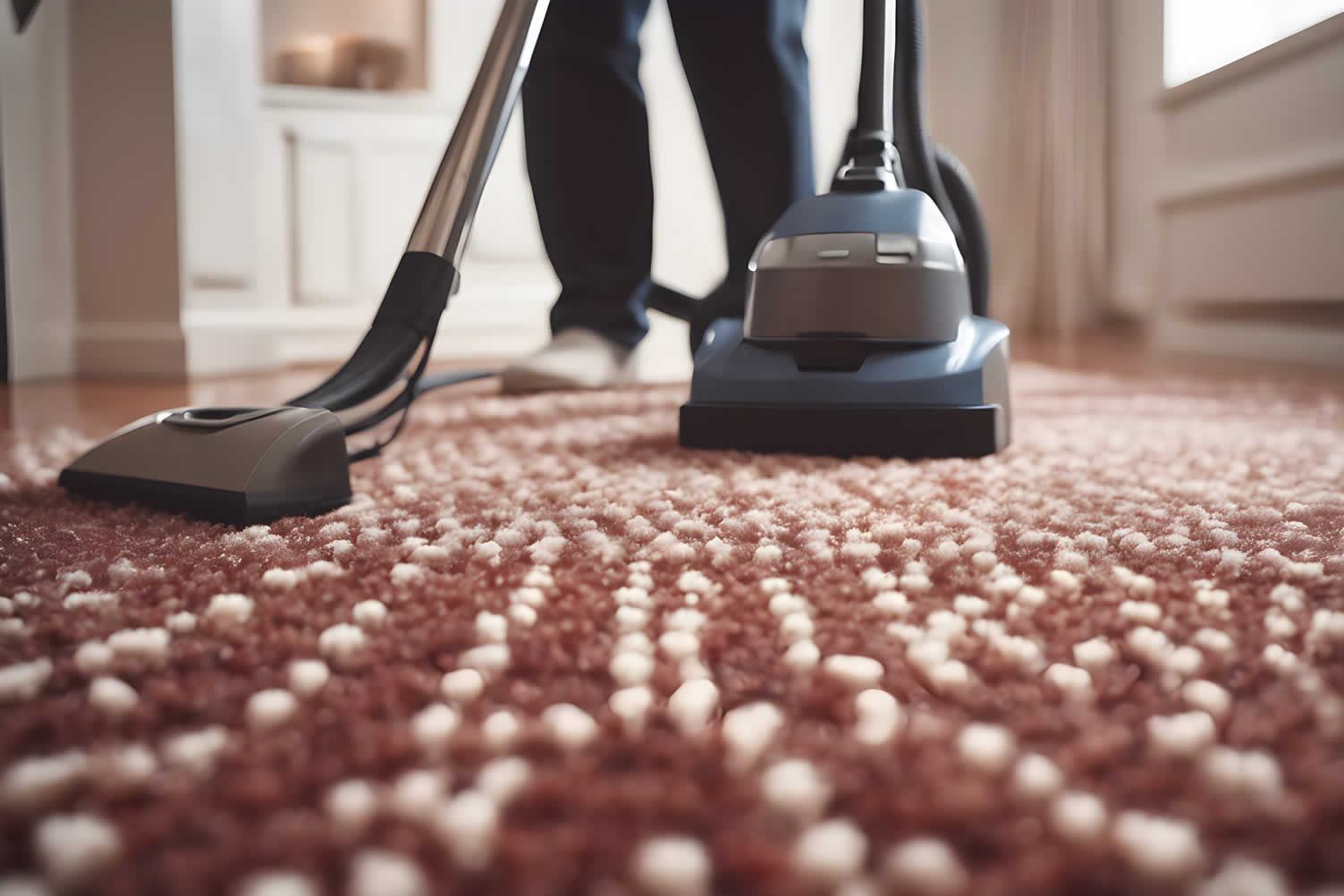
When you decide to tackle carpet cleaning on your own, it’s crucial to approach the task with careful planning and the right tools. DIY carpet cleaning can be a cost-efficient way to maintain your carpets, provided you are prepared to dedicate time and effort to the process.
It requires a straightforward approach, starting with gathering necessary supplies like a good quality carpet cleaner solution, a stiff bristle brush for spot cleaning, and rental or owned carpet cleaning machine for overall cleaning.
Before jumping into the detailed cleaning process, it’s essential to test your chosen cleaning solution on a small, inconspicuous area of the carpet to ensure it won’t cause discoloration or damage.
Following a strategic, step-by-step cleaning plan not only ensures a thorough clean but can also extend the life of your carpet, keeping it looking fresh and new for years to come.
-
Quick scroll to “carpet cleaning steps” side notes …
- Step1: Pre-Treat Spots and Stains
- Step2: Applying the Chosen Cleaning Solution
- Step3: Agitating the Carpet Fibers
- Step4: Rinsing and Extracting the Cleaning Solution
- Step5: Allowing the Carpet to Dry Completely
- Step6: Grooming the Carpet to Restore the Fibers
- shop ideas
- home renovation professionals
- next topic: Carpet Cleaning and Maintenance Tips

-
-
Step1: Pre-Treat Spots and Stains
Before launching into the overall cleaning, pre-treating any spots or stains on your carpet is an essential first step. This preparation phase significantly increases the effectiveness of the subsequent cleaning process.
Start by identifying and marking problem areas, which could range from food spills, pet stains, or high traffic dirt accumulation. Apply a small amount of your chosen carpet cleaner directly to the stains.
For tougher stains, consider using a specialized stain remover designed for carpets, ensuring it is compatible with your carpet’s material and color.
Gently blot the stain with a clean, dry cloth—avoid scrubbing, as this can damage the carpet fibers and spread the stain further. Allow the treatment to sit for the recommended amount of time indicated on the cleaning product before proceeding with the overall carpet cleaning.
This step ensures that your cleaning efforts are more effective, targeting and eliminating stubborn stains before the main cleaning begins.
[ pinterest: pre-treating carpet ]
[ youtube: how to pre-treat carpet ]
-
Step2: Applying the Chosen Cleaning Solution
Once the pre-treatment of spots and stains is complete, the next step involves the application of your chosen carpet cleaning solution over the entire carpet. Begin by mixing your cleaning solution according to the manufacturer’s instructions, ensuring it is suitable for the type of carpet you have.
For those using a carpet cleaning machine, fill the machine’s reservoir with the prepared solution. Start from one corner of the room and work your way backward towards the exit to avoid stepping on the cleaned areas. Apply the solution evenly across the carpet, taking extra care not to oversaturate the fibers as this can lead to prolonged drying times and potential mold growth.
If cleaning manually, use a spray bottle to lightly mist the solution over the carpet and a soft-bristled brush to gently work the solution into the carpet pile without damaging the fibers. This step not only cleans the carpet but also helps to lift and remove embedded dirt and debris, preparing the carpet for the final cleaning stages.
-
Step3: Agitating the Carpet Fibers
After applying the cleaning solution, the next step is to agitate the carpet fibers to ensure the solution penetrates deeply, breaking up any dirt, dust, and grime trapped within. If using a carpet cleaning machine, it likely comes equipped with brushes that do this automatically as you move the machine over the carpet.
For those cleaning manually, use a soft-bristled brush or a carpet brush specifically designed for this purpose. Gently brush the carpet in a circular motion, paying particular attention to high-traffic areas and spots with noticeable soiling. This process should be thorough but gentle to avoid damaging the carpet fibers.
Agitation is crucial as it helps to dislodge stubborn dirt particles and enhances the cleaning solution’s effectiveness, setting the stage for a deeper clean in the subsequent steps.
-
Step4: Rinsing and Extracting the Cleaning Solution
Once the carpet has been thoroughly agitated and the cleaning solution has had time to break down the dirt, the next critical step is rinsing and extracting the solution from the carpet.
For those using a carpet cleaning machine, this typically involves changing the setting to rinse mode, where clean water is used to flush out the solution along with the dislodged dirt. Be sure to overlap your passes with the machine to ensure no areas are missed and that all cleaning solution is fully removed.
Manual cleaning will require a clean cloth or sponge and clean water. The cloth should be dampened with the water and then blotted over the carpet to absorb the cleaning solution.
Repeat this process, regularly rinsing the cloth to avoid reapplying dirt and soap to the carpet. Proper extraction is vital, as residue from the cleaning solution can attract more dirt over time and lead to the carpet becoming dirtier faster.
Whether using a machine or cleaning manually, finish by going over the carpet with a vacuum or an extractor to ensure all excess moisture is removed, accelerating the drying process and preventing any mold or mildew growth.
-
Step5: Allowing the Carpet to Dry Completely
After the extraction process, it’s imperative to allow the carpet to dry thoroughly before resuming regular use of the area. Depending on the environmental conditions, such as humidity, airflow, and temperature, the drying time can vary significantly.
Generally, it can take anywhere from 6 to 24 hours for a carpet to fully dry. Using fans, opening windows, or turning on a dehumidifier can greatly enhance airflow and reduce drying time. However, it’s crucial to avoid walking on the carpet or replacing furniture until it is completely dry to prevent any indentations or additional soiling.
To verify the carpet’s dryness, touch it with your bare hand; it should feel completely dry and not just surface dry. Rushing this step could lead to mold or mildew development, undermining the entire cleaning effort.
-
Step6: Grooming the Carpet to Restore the Fibers
Once the carpet is completely dry, the finishing touch involves grooming or brushing the carpet fibers to restore their original fluffiness and direction. This process helps in elevating the overall appearance of the carpet, making it look fresh and neatly maintained.
Using a soft-bristled brush or a carpet rake, gently work through the carpet in sections, fluffing the fibers upwards and ensuring they’re all lying uniformly. This not only enhances the aesthetic appeal but also promotes better air flow within the fibers for a fresher scent.
Additionally, grooming the carpet after cleaning can help in evenly distributing any protective treatments applied during the cleaning process, extending the life and beauty of your carpet.

copyright image by 123rf.com
[ pinterest: how to cleaning carpet like a pro ]
[ youtube: clean your carpet like a pro ]
-
-
ideas to view and compare from the information discussed above
Scroll up to directory … or scroll to next section about carpet cleaning tips …
SHARE IT ..! You might have someone in your social network who could find this informative tips and carpet cleaning valuable. Feel free to share it on Facebook, Twitter, LinkedIn, or Pinterest!


fifth “photo remodeling” idea
copyright image by 123rf.com
Info Segment 5: Carpet Cleaning and Maintenance Tips
Notes:
-
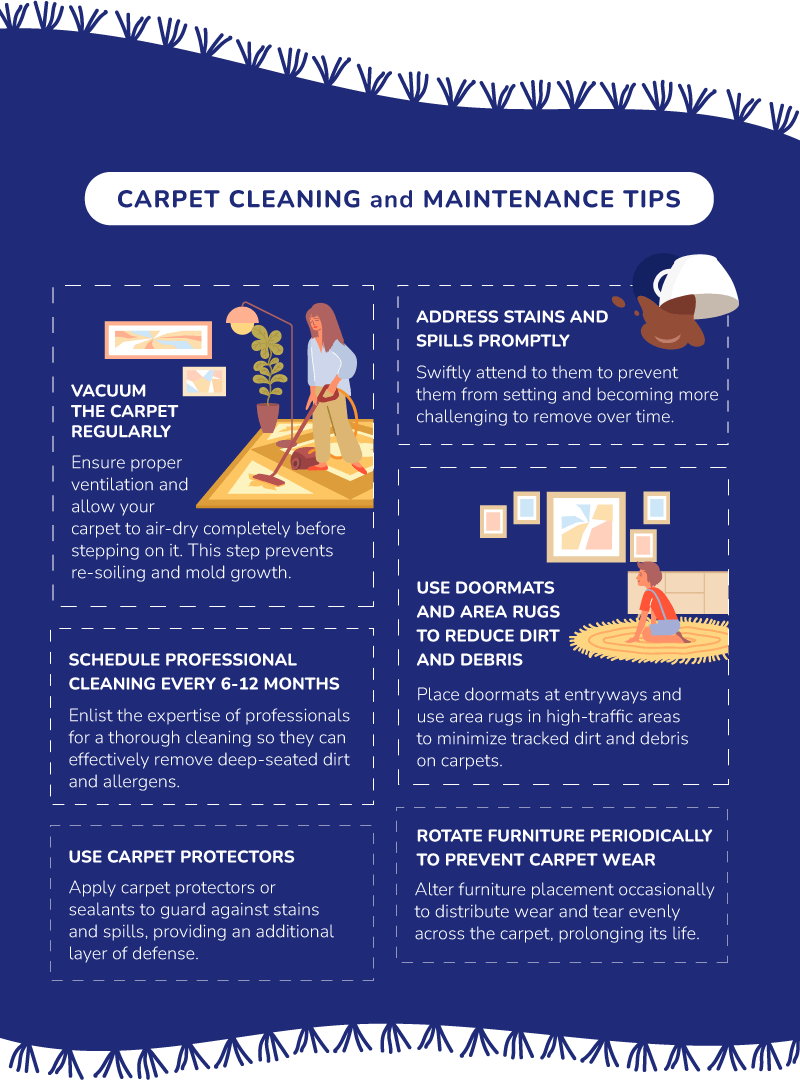
Carpet cleaning and maintenance are crucial for extending the life of your carpet and ensuring it remains a healthy and attractive part of your home. Regular upkeep not only keeps your carpet looking its best but also supports a cleaner indoor environment.
Adhering to a consistent cleaning schedule and following a few maintenance tips can significantly contribute to the longevity and appearance of your carpet.
-
Quick scroll to “cleaning and maintenance” side notes …
-
-
1st: Vacuum the Carpet Regularly
An integral component of carpet care involves regular vacuuming. This simple, yet effective practice is pivotal in maintaining the cleanliness and extending the longevity of your carpet.
By routinely removing dirt, dust, and other particles, you not only preserve the carpet’s aesthetic but also prevent the buildup that can lead to wear and damage over time.
-
How Often to Vacuum
For households with high foot traffic, pets, or children, vacuuming at least twice a week is recommended. However, for less busy homes, a weekly vacuuming session should suffice.
Areas that see more frequent use, such as hallways and living rooms, may need more attention compared to quieter areas, like bedrooms or studies.
-
How Best to Vacuum
To thoroughly vacuum your carpet and ensure it looks its best, start by using a high-quality vacuum cleaner with adjustable settings to suit your carpet type.
Begin by vacuuming in one direction to remove surface dirt, then go over the area again in a perpendicular direction to catch any remaining particles.
Pay special attention to high-traffic zones and edges where dust tends to accumulate. For the most effective clean, slowly pass the vacuum over the carpet several times, allowing the suction to lift dirt from deep within the fibers.
-
Regular Vacuuming
To keep carpets looking fresh and to extend their life, vacuuming regularly is essential. It’s recommended to vacuum at least once a week and more frequently in areas of high traffic. This removes dirt and debris before it can embed deeper into the carpet fibers, causing wear and deterioration over time.
An upright or a canister vacuum cleaner with adjustable heights is ideal for effectively lifting dirt from the carpet pile.
-
-
2nd: Addressing Stains and Spills Promptly
Addressing stains and spills on your carpet in a timely manner is crucial to maintaining its appearance and longevity. When accidents happen, the immediate response can make the difference between a temporary blemish and a permanent stain.
-
Immediate Action for Spills
The moment a spill occurs, it’s critical to act quickly. Blot—don’t rub—the spill with a clean, dry cloth to absorb as much of the liquid as possible. Avoid scrubbing, as this can work the stain deeper into the carpet fibers.
-
How to Address Common Stains
For water-soluble stains, such as those from soda, alcohol, or food, a simple solution of water and a mild detergent can be effective. Apply the solution to the stain and blot gently.
For more stubborn stains, such as ink, oil, or pet accidents, specialized carpet cleaners may be required. Always test any cleaning solution on an inconspicuous area of the carpet first to ensure it doesn’t cause discoloration.
Regular maintenance and immediate action on spills are key to extending the life and beauty of your carpet. By following these tips for vacuuming and stain management, your carpet can remain a comfortable and attractive part of your home for years to come.
-
-
3rd: Use of Doormats and Area Rugs
Implementing the use of doormats and area rugs can significantly reduce the amount of dirt and debris that enters your home, thus playing an essential role in maintaining your carpet’s cleanliness and durability.
These items act as a barrier, catching much of the grime that would otherwise make its way onto your carpets, making them a smart and practical addition to any carpet maintenance routine.
-
Placement of Doormats and Area Rugs
The strategic placement of doormats and area rugs is crucial for maximizing their effectiveness. Installing durable doormats at every entryway ensures that most dirt is left at the door, while area rugs in high-traffic areas of the home can prevent premature carpet wear.
This includes hallways, living rooms, and under dining tables where spills and stains are more likely to occur.
-
Choosing the Right Type
Selecting the appropriate type of doormats and area rugs is also fundamental. For entryways, choose doormats that are made of tough, weather-resistant materials capable of scraping off dirt from shoes.
Inside, opt for area rugs that complement your home’s aesthetics while being easy to clean. Look for rugs with a low pile for easier vacuuming and maintenance, and consider materials that are stain-resistant, especially in areas prone to spills.
-
-
4th: Rotating Furniture Periodically
Rotating furniture periodically is an often overlooked aspect of carpet cleaning and maintenance that can significantly extend the life and appearance of your carpet.
This simple practice not only prevents premature wear and tear in high-traffic areas but also allows for more even fading from sunlight exposure, ensuring a uniform carpet color over time.
-
Furniture Rotation Frequency
To maximize the effectiveness of this strategy, it’s recommended to rotate your furniture every six to twelve months. This frequency can depend on the layout of your room, the amount of natural light it receives, and the level of foot traffic. In areas with consistent heavy use or direct sunlight, you may want to consider rotating your furniture more frequently.
-
How to Rotate Furniture
When rotating your furniture, it’s essential to plan your room layout in advance to ensure that the new arrangement is both functional and aesthetically pleasing. Be mindful of the carpet’s pile direction and try to rotate your furniture in a way that allows previously compressed areas of the carpet to recover.
It’s also a good opportunity to vacuum the exposed areas of the carpet that were previously under furniture, removing any dust or debris that has accumulated over time.
Take care when moving furniture to prevent snagging or tearing the carpet fibers. If possible, enlist the help of others to lift and move heavy pieces rather than dragging them across the carpet.
-
-
5th: Use Carpet Protectors
In addition to regular rotation and proper care, using carpet protectors is an effective strategy to extend the life of your carpeting. Carpet protectors can shield your carpets from spills, stains, and wear caused by furniture legs or heavy traffic areas.
They form a protective barrier that makes it easier to clean up spills before they penetrate deep into the fibers. This section will cover the types of carpet protectors you should consider for an efficient carpet maintenance routine.
-
Types of Carpet Protectors
Carpet protectors come in various forms, each suited to different needs and preferences. Here are a few common types:
- Spray-On Protectors:
These are easy-to-apply solutions that create an invisible layer over your carpet fibers, offering resistance against spills and soil. They can be applied right after cleaning your carpet and need reapplication after a few months or after deep cleaning sessions. - Plastic Runners:
Ideal for high-traffic areas or pathways through rooms, plastic runners protect your carpet from wear while still allowing its design to show through. They are particularly useful for protecting carpets in hallways or near entryways. - Furniture Coasters:
These small protectors are placed under furniture legs to distribute the weight more evenly across the carpet, preventing indentations and excessive wear on the fibers beneath heavy furniture.
By choosing the appropriate type of carpet protector and adhering to a consistent maintenance routine, you can significantly prolong the life and appearance of your carpet.
- Spray-On Protectors:
[ amazon: carpet mat protector ]
[amazon: furniture coasters ]
-
-
6th: Schedule Professional Cleaning
In addition to regular rotation and proper care, using carpet protectors is an effective strategy to extend the life of your carpeting. Carpet protectors can shield your carpets from spills, stains, and wear caused by furniture legs or heavy traffic areas.
They form a protective barrier that makes it easier to clean up spills before they penetrate deep into the fibers. This section will cover the types of carpet protectors you should consider for an efficient carpet maintenance routine.
-
Types of Carpet Protectors
Carpet protectors come in various forms, each suited to different needs and preferences. Here are a few common types:
- Spray-On Protectors:
These are easy-to-apply solutions that create an invisible layer over your carpet fibers, offering resistance against spills and soil. They can be applied right after cleaning your carpet and need reapplication after a few months or after deep cleaning sessions. - Plastic Runners:
Ideal for high-traffic areas or pathways through rooms, plastic runners protect your carpet from wear while still allowing its design to show through. They are particularly useful for protecting carpets in hallways or near entryways. - Furniture Coasters:
These small protectors are placed under furniture legs to distribute the weight more evenly across the carpet, preventing indentations and excessive wear on the fibers beneath heavy furniture.
By choosing the appropriate type of carpet protector and adhering to a consistent maintenance routine, you can significantly prolong the life and appearance of your carpet.
- Spray-On Protectors:

copyright image by 123rf.com
-
-
-
ideas to view and compare from the information discussed above
scotchgard carpet spray protectorcarpet film protectorcarpet runner
Scroll up to directory … or scroll to next section about carpet cleaning tips …
below for …
carpet and home cleaning services

Calendar For:
Home Maintenance
File Type: 



Find Home Cleaning Services Home Cleaning Carpet-Drapes Property Clean-Up Windows top-rated, pre-screened local contractors FREE: download contractor selection enter zip code – powered by HomeAdvisor ™
Quick Contractor Guides selecting negotiating working with inspecting

sixth and last “photo remodeling” idea
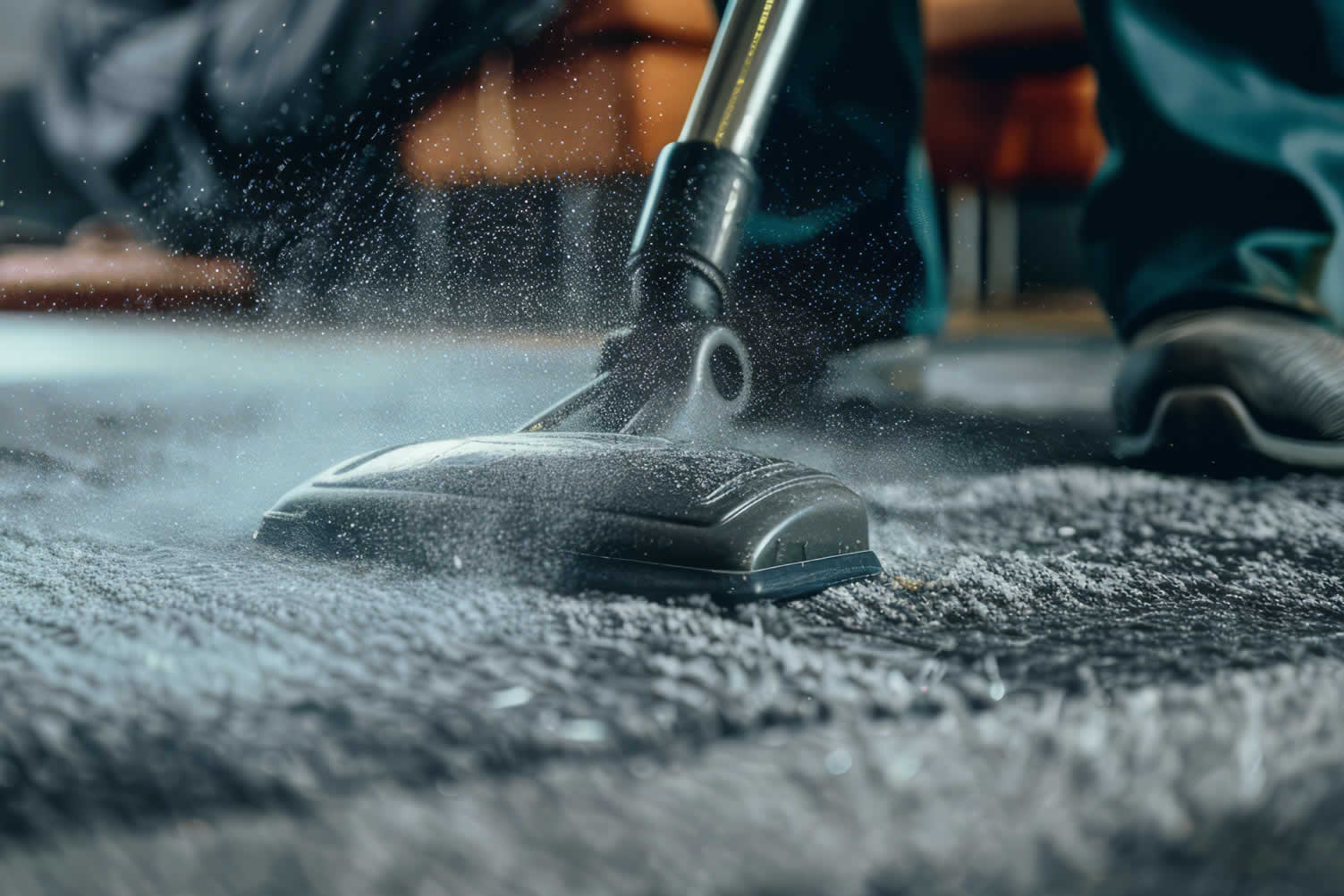

AI generated image by 123rf.com
Info Segment 6: Why Get a Professional to Do Your Carpet Cleaning
Notes:
-
Opting for professional carpet cleaning services over DIY methods has several compelling reasons that justify the investment:
-
Deep Cleaning Efficiency:
Professional cleaners use industrial-grade equipment and solutions that penetrate deep into the carpet fibers, removing dirt, bacteria, and allergens that typical household vacuums can’t reach.
-
Extended Carpet Life:
Regular professional cleanings not only maintain the appearance of your carpet but also extend its life by removing particles that can degrade the fibers over time.
-
Expertise and Experience:
Professionals have the knowledge to handle various types of carpets and stains. They can assess the best cleaning method for your carpet, ensuring that it’s cleaned thoroughly without damage.
-
Time-Saving:
Leveraging professional services saves you time and effort. The convenience of having someone else do the heavy lifting and ensure a thorough clean can be invaluable.
-
Improved Air Quality:
By efficiently removing allergens, dust, and pet dander from your carpet, professional cleaning helps improve the air quality inside your home, making it healthier for everyone.
-
-
Quirk scroll to topic "getting help" side notes …
-
-
Finding/Selecting Professional Carpet Cleaner
Finding a reliable and skilled professional carpet cleaner involves a bit of research and patience. Start by asking friends, family, and neighbors for recommendations to gain firsthand accounts of their experiences with local services.
Online reviews and ratings on platforms such as Google, Yelp, and Angie’s List can also provide valuable insights into the reputation and quality of cleaning services in your area. Don’t forget to check local business directories and the Better Business Bureau for additional information and accreditation.
Additionally, social media groups and community boards can be a goldmine for recommendations and reviews. Once you’ve compiled a list of potential cleaners, reach out to them to discuss their services, cleaning methods, and costs, ensuring they meet your needs and expectations.
LetsRenovate has partnered with HomeAdvisor™, a renowned provider of highly-rated, carefully-vetted local contractors. Start your search here by choosing the type of contractor you need and entering your zip code to find local professionals.
copyright image by 123rf.com
When it comes to finding and selecting a professional carpet cleaner, it’s essential to do your research to ensure you choose a reputable and reliable service. Here are key steps to guide you through the process:
- Check Reviews and Recommendations:
Start by asking friends and family for recommendations and checking online reviews. Pay attention to feedback about the quality of the cleaning, customer service, and reliability. - Verify Credentials:
Look for cleaners who are certified by recognized organizations in the industry, such as the Institute of Inspection, Cleaning and Restoration Certification (IICRC). Certification indicates they have undergone training and adhere to industry standards. - Ask About Their Process and Products:
Inquire about the cleaning methods they use, the type of equipment, and whether their cleaning products are eco-friendly and safe for pets and children. Understanding their process will help you assess their commitment to quality and safety. - Request Estimates:
Get quotes from several providers to compare prices. Be wary of prices that seem too good to be true, as they may indicate lower quality service or hidden fees. - Ensure They Offer a Guarantee:
Reputable cleaners should be confident in their service and offer a satisfaction guarantee. This ensures they will address any issues post-cleaning to meet your expectations. - Inspect for Insurance:
Professional cleaners should have liability insurance to protect against any accidents or damage during the cleaning process. It’s a sign of a serious business committed to safeguarding its clients.
But Wait!
Before staring your search and evaluation of professional carpet cleaners, it is strongly advised to download and use this detailed worksheet. Doing so will equip you with all the essential information and tools needed to make well-informed decisions, thereby optimizing and simplifying the process.
This resource is designed to help with the objective ranking and assessment of potential cleaning services, factoring in critical elements like pricing.

Evaluation Sheet
File Type: - Check Reviews and Recommendations:
-
-
FINAL REMARKS
In conclusion, the importance of thorough carpet cleaning cannot be overstated, as it plays a crucial role in maintaining a healthy, clean, and vibrant living environment.
Utilizing the approach outlined above ensures that you are equipped with the necessary knowledge and criteria to select a professional cleaning service that not only meets but exceeds your expectations.
By valuing the process, product safety, cost-effectiveness, service guarantee, and insurance cover, you safeguard not only your investment in your home’s aesthetics but also the well-being of its occupants. In essence, this methodical selection process underlines the significance of making informed decisions in the pursuit of cleanliness and hygiene in our living spaces.
-
ideas to view and compare from the information discussed above
- What comments can you share about
your carpet cleaning techniques and experiences?
Scroll up to directory … or scroll to more home utility management topics …
view illustration “becoming a bank”


Cover image credit: carpet cleaning tips by 123rf.com
end of post … please share it!
 |
did you find this carpet cleaning analysis helpful? If so, please share the article with your friends and family! |
Nice pic idea? Leave us a quick comment below.
And please share this pic idea within your social networks.